ACCA– Advanced Audit and Assurance (AAA)
Enhance your knowledge and skills in auditing with our comprehensive ACCA Advanced Audit and Assurance course.
Program rating
1,941+
Learners enrolled
70 hrs
Total duration
English,Hindi
Language
This program includes
Program overview
About this program
This Finance & Taxation program blends live, mentor-led sessions with hands-on projects and real-world case studies, so you build genuinely job-ready skills — not just theory. You'll learn from working industry experts, apply what you learn on practical assignments, and finish with a portfolio, a recognized certificate, and dedicated placement support to help you land the right role.
Enhance your knowledge and skills in auditing with our comprehensive ACCA Advanced Audit and Assurance course.
This course provides an in-depth understanding of advanced auditing practices and professional standards. You will learn how to apply auditing skills in various scenarios, understand the key issues and challenges in audit engagements, and ensure compliance with regulations. Topics include risk assessment, internal control evaluation, and audit methodologies.
Why learners love this program
- Comprehensive coverage of the ACCA AAA syllabus and relevant professional standards, including ethics and regulatory requirements.
- Practical, case-based learning with real-world audit simulations and worked examples to develop applied audit judgment and reporting skills.
- Advanced techniques for risk assessment, internal control evaluation, and evidence-gathering to ensure robust, compliant audit engagements.
35
Lectures
70
Hours
All level
Level
Globally trusted accreditations
Recognitions that power your profile
Trusted by leading accreditation bodies — so your certificate is respected by employers worldwide.





Learning outcomes
What you'll be able to do
Curriculum
Structured modules that build real skills
16 modules · designed for progressive, hands-on learning.
Audit principles and purpose
Explain the fundamental principles of auditing and the purpose of assurance engagements in financial reporting.
Ethical foundations in auditing
Summarize core ethical concepts relevant to auditors, including integrity, objectivity and professional behavior.
Types of assurance engagements
Differentiate between various assurance engagements and understand the scope of audit versus other assurance services.
Regulators and professional standards
Identify key regulatory bodies and professional standards that govern audit practice and quality control requirements.
Risk assessment process
Describe the risk assessment process and its role in shaping audit strategy and procedures.
Inherent, control and detection risk
Explain inherent, control and detection risk and how they interact to influence audit response.
Identifying audit risks and factors
Apply techniques to identify significant risks including fraud and going concern considerations.
Documenting and communicating risk assessments
Demonstrate how to document risk assessments clearly and communicate them to engagement teams and stakeholders.
Developing the audit plan
Construct a comprehensive audit plan that aligns audit objectives with assessed risks and materiality.
Materiality, scoping and objectives
Set materiality thresholds and define audit scope to focus resources on significant areas of the financial statements.
Resource allocation and time budgeting
Allocate appropriate staff and time resources and prepare realistic budgets to meet audit objectives efficiently.
Engagement acceptance and continuance
Assess client acceptance and continuance considerations, including independence and risk issues.
Planning documentation and strategy execution
Prepare planning documentation and translate strategy into detailed procedures and timelines.
Internal control components
Explain key components of internal control frameworks and their relevance to audit risk assessment.
Assessing control design and implementation
Evaluate the design and implementation of controls to determine if they can be relied upon during testing.
Types and sources of audit evidence
Identify forms of audit evidence and assess their persuasiveness in supporting audit conclusions.
Sampling methods and selection
Apply statistical and non-statistical sampling techniques to obtain representative audit evidence.
Evaluating sufficiency and reliability
Judge the sufficiency and reliability of collected evidence to support audit findings and opinions.
Working papers and evidence documentation
Prepare clear and complete working papers that document procedures performed and conclusions reached.
Technology, data analytics and evidence collection
Leverage data analytics and technology to enhance evidence collection and analytical procedures.
Design and perform substantive procedures
Design and execute substantive tests to detect material misstatements in account balances and transactions.
Tests of controls and walkthroughs
Perform tests of controls and walkthroughs to confirm how controls operate in practice.
Applying professional judgment during execution
Use professional skepticism and judgment to adapt procedures in response to audit findings in the field.
Dealing with identified misstatements and adjustments
Assess identified misstatements, quantify their impact and decide on appropriate adjustments or disclosures.
Addressing fraud risks and investigations
Recognize indicators of fraud and follow required procedures when fraud risk is suspected or detected.
Types of audit opinions and report elements
Differentiate between unmodified, modified and disclaimer opinions and outline the contents of an audit report.
Forming conclusions and communicating findings
Integrate evidence and risk assessments to form a final opinion and communicate key findings to stakeholders.
Independence and ethical requirements
Explain independence rules and ethical requirements applicable to auditors and audit firms.
Resolving ethical dilemmas and reporting concerns
Apply frameworks for resolving ethical dilemmas and know how to escalate and report significant ethical issues.
Key financial statement cycles and audit focus
Identify major financial statement cycles and prioritize audit focus areas such as revenue, inventory and liabilities.
Auditing estimates, valuations and disclosures
Assess audit approaches for accounting estimates, fair value measurements and adequacy of disclosures.
Audit failures and lessons learned
Analyze historical audit failures to extract practical lessons on risk detection and quality control improvements.
Complex scenarios and resolution techniques
Work through complex audit scenarios to apply judgment, methodology and professional standards in practice.
Integrating case lessons into audit practice
Translate case study insights into improved audit approaches and continuous professional development actions.
Simulated engagement review and feedback
Participate in a simulated engagement review to receive feedback and refine audit execution and reporting skills.
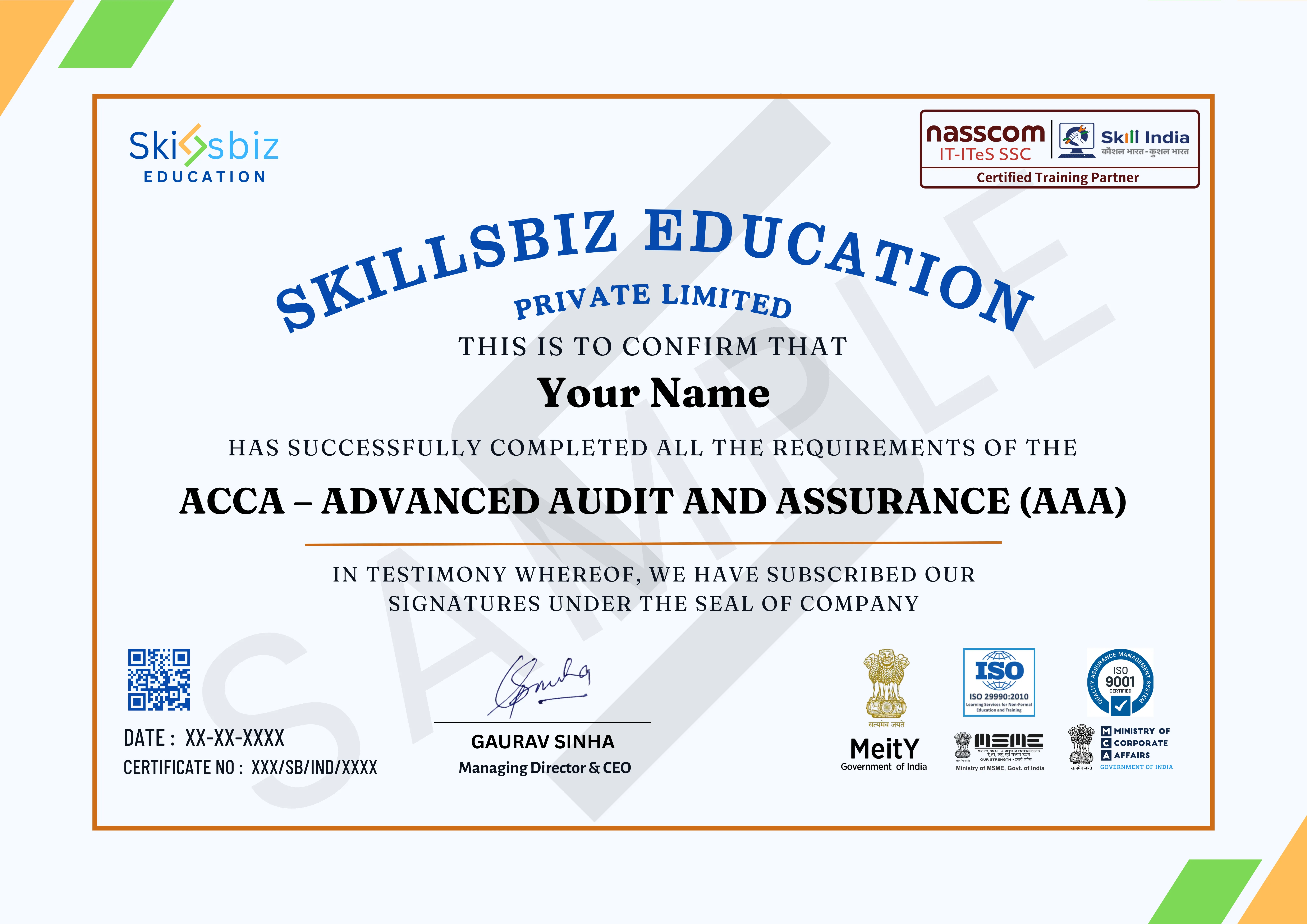
Your credential
The certificate you'll earn
Earn an industry-recognized certificate on successful completion of this program.
Personalised guidance
Book a free discovery call with our specialists
Get tailored advice on learning paths, certification journeys, and industry opportunities before you enroll.
- Understand the skill gaps holding you back and the modules that close them.
- Get a cohort recommendation based on availability and your weekly bandwidth.
- Discover certification add-ons that strengthen your CV.
Reserve your slot
Share your details and we'll connect within 24 hours.
Reviews
What our learners say
Advanced Audit and Assurance strengthened my ability to evaluate financial statements critically. Structured mock tests improved my preparation.
Advanced Audit and Assurance helped me approach ethical and compliance issues confidently. Case-based practice made learning engaging.
Learning group audit and assurance frameworks improved my clarity significantly. AAA preparation felt structured and professional.
Understanding audit engagement management and compliance requirements became easier through guided practice. AAA sessions felt detailed and exam-focused.
Learning advanced audit planning and reporting standards gave me a broader perspective. AAA sessions helped me structure answers professionally.
ACCA Advanced Audit and Assurance helped me understand audit at a strategic level. Analysing complex risk scenarios improved my professional judgement significantly.
FAQ
Your questions, answered
Everything you need to know before you enroll. Still unsure? Our advisors are one call away.
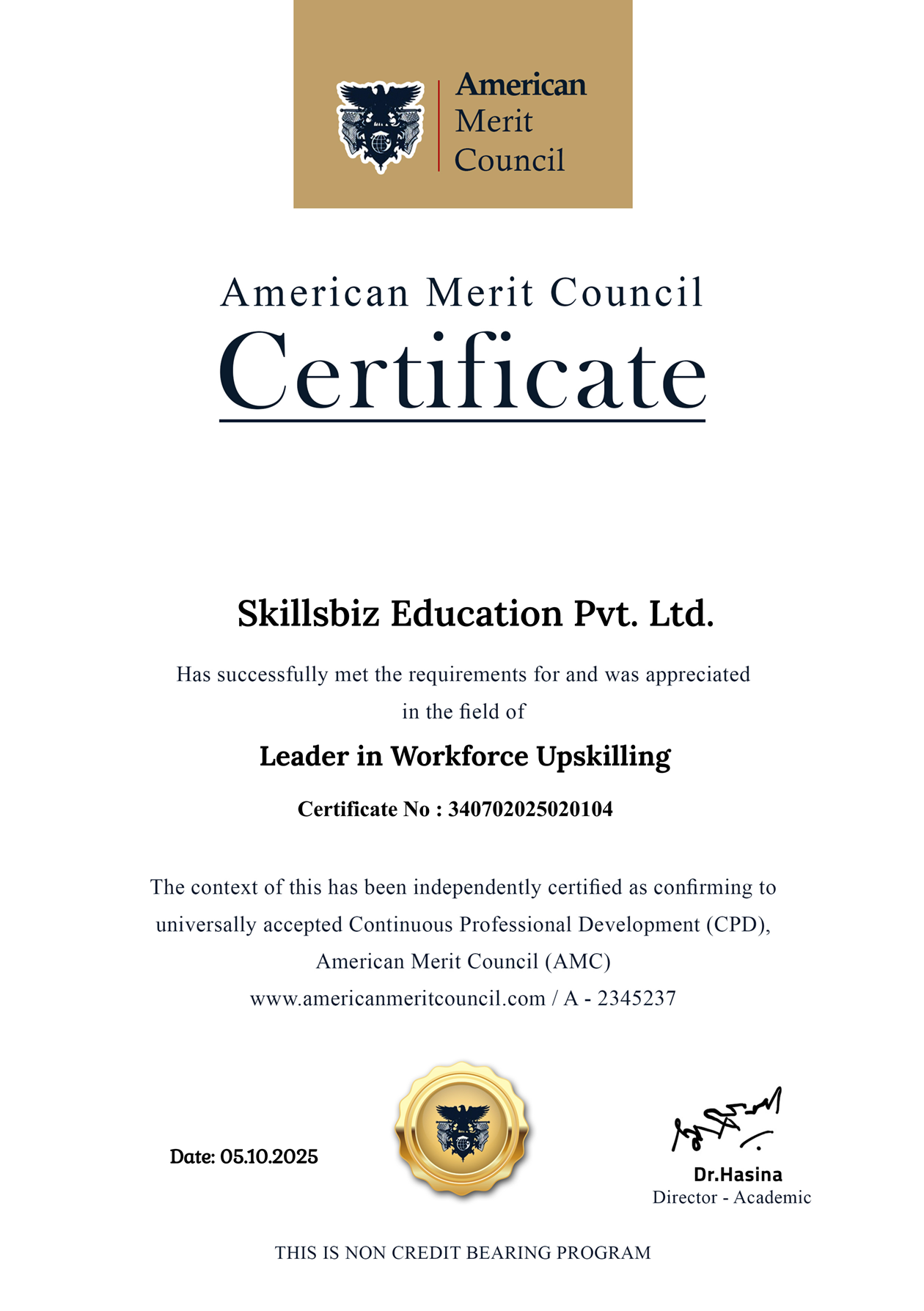
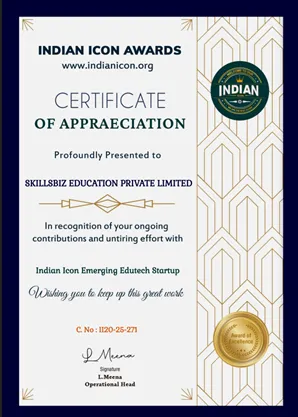
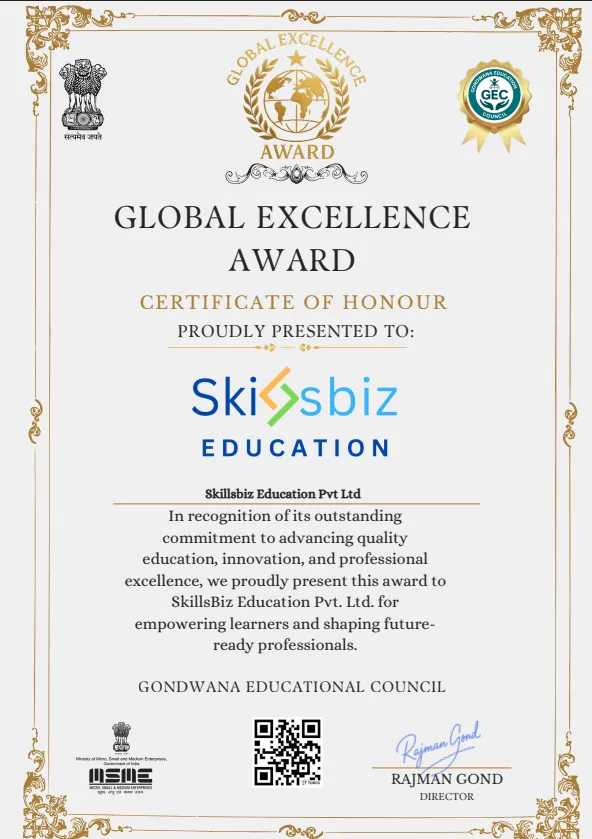
Honored for excellence
Awards & recognitions
Our pedagogy, learner outcomes, and mentor network have been acknowledged by industry councils and global forums.


Media spotlight
Featured in leading publications










Ready to start ACCA– Advanced Audit and Assurance (AAA)?
Enroll today or book a free counselling call to get a personalized learning path.