ACCA– Audit and Assurance (AA)
This course provides a comprehensive understanding of the principles and practices of audit and assurance, preparing you for the ACCA AA examination.
Program rating
1,985+
Learners enrolled
70 hrs
Total duration
English,Hindi
Language
This program includes
Program overview
About this program
This Finance & Taxation program blends live, mentor-led sessions with hands-on projects and real-world case studies, so you build genuinely job-ready skills — not just theory. You'll learn from working industry experts, apply what you learn on practical assignments, and finish with a portfolio, a recognized certificate, and dedicated placement support to help you land the right role.
This course provides a comprehensive understanding of the principles and practices of audit and assurance, preparing you for the ACCA AA examination.
The ACCA Audit and Assurance (AA) course covers key concepts in auditing and assurance services, including the audit process, the role of auditors, and regulatory frameworks. Designed for aspiring accountants and auditors, this course equips you with the necessary skills and knowledge to excel in the field.
Why learners love this program
- Exam-focused coverage of the AA syllabus, including audit principles, the audit process, audit evidence and reporting to prepare candidates for the ACCA AA examination.
- Practical skills development through worked examples, case studies and targeted practice questions covering planning, risk assessment, testing and documentation.
- In-depth treatment of regulatory frameworks and professional ethics (ISAs, legal responsibilities and professional skepticism) to apply assurance principles in real-world contexts.
35
Lectures
70
Hours
All level
Level
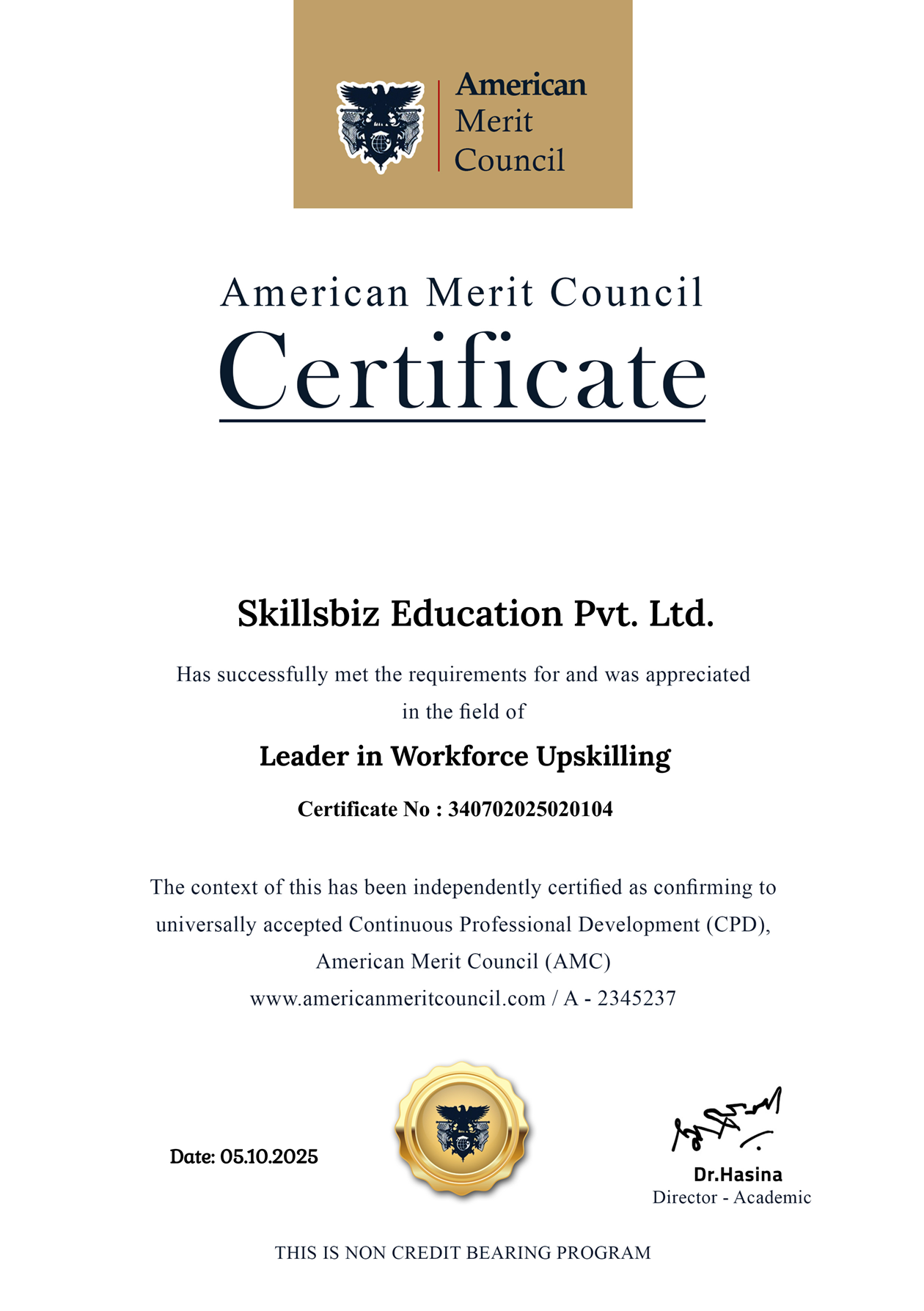
Globally trusted accreditations
Recognitions that power your profile
Trusted by leading accreditation bodies — so your certificate is respected by employers worldwide.




Learning outcomes
What you'll be able to do
Curriculum
Structured modules that build real skills
16 modules · designed for progressive, hands-on learning.
What is Auditing?
Explain the purpose of auditing and its role in financial reporting.
Types of Audits and Stakeholders
Differentiate between types of audits and identify key stakeholders and their expectations.
The Audit Profession and Responsibilities
Describe the responsibilities and professional roles of auditors.
Professional Skepticism and Judgment
Apply concepts of professional skepticism and judgment in audit contexts.
Planning the Audit Engagement
Outline the steps involved in planning an audit engagement, including client acceptance and scoping.
Setting Materiality and Objectives
Determine materiality thresholds and set audit objectives that guide evidence collection.
Developing an Audit Strategy
Develop an audit strategy and allocate resources based on assessed risks.
Substantive Testing Techniques
Explain and select appropriate substantive testing techniques for financial statement assertions.
Workpaper Documentation and Evidence Recording
Prepare audit working papers that document procedures performed and evidence obtained.
Evaluating Findings and Conclusions
Assess audit findings and evaluate whether sufficient appropriate evidence supports conclusions.
Reporting and Communication with Management
Draft audit conclusions and communicate findings and recommendations to management and those charged with governance.
Regulatory Bodies and Requirements
Identify key regulatory bodies governing audits globally and their primary requirements.
Legal and Statutory Audit Obligations
Explain auditors' legal obligations and the impact of statutory requirements on audit practice.
International Auditing Standards (ISA) Basics
Summarize core ISAs and how they shape audit procedures and reporting.
IFAC Code of Ethics and Application
Interpret the IFAC Code of Ethics and apply it to typical audit scenarios.
Understanding Audit Risk and Components
Explain the components of audit risk and how they influence audit planning.
Identifying Inherent and Control Risks
Identify inherent and control risks across different business cycles and accounts.
Assessing Risk of Material Misstatement
Perform risk assessment procedures to evaluate the risk of material misstatement.
Risk Assessment Procedures and Techniques
Apply risk assessment techniques such as walkthroughs and inquiry to gather evidence on risks.
Linking Risk Assessment to Audit Procedures
Design audit procedures responsive to identified risks to obtain sufficient appropriate audit evidence.
Components of Internal Control
Describe the components of internal control frameworks such as COSO and their implications for auditors.
Design and Implementation Evaluation
Evaluate the design and implementation of internal controls within an organization.
Testing Controls and Evidence Gathering
Perform tests of controls and interpret results to assess control effectiveness.
Control Deficiencies and Remediation
Identify control deficiencies and recommend remediation actions to management.
Audit Evidence Types and Reliability
Classify types of audit evidence and assess their reliability and relevance.
Confirmation, Inspection and Observation
Use confirmation, inspection, and observation procedures to obtain audit evidence.
Electronic Evidence and Data Integrity
Address issues related to electronic evidence and ensure data integrity during audits.
Audit Sampling Methods
Apply statistical and non‑statistical sampling methods to select audit samples.
Analytical Procedures and Ratio Analysis
Use analytical procedures and ratio analysis to identify unexpected relationships and risks.
Types of Audit Opinions
Differentiate between unmodified, modified, and adverse opinions and when each is appropriate.
Reporting Emphasis and Disclosures
Prepare audit report paragraphs, including emphasis of matter and other‑matter paragraphs.
Ethical Principles and Independence
Explain core ethical principles and requirements for auditor independence.
Professional Conduct and Conflicts of Interest
Manage conflicts of interest and apply professional conduct rules in practice.
Fraud Considerations and Ethical Reporting
Recognize fraud indicators and understand ethical obligations in reporting suspected fraud.
Current Trends and Digital Auditing
Summarize current trends, including digital auditing technologies and data analytics.
Mock Exam and Review
Complete a timed mock exam and participate in review to consolidate knowledge and exam technique.
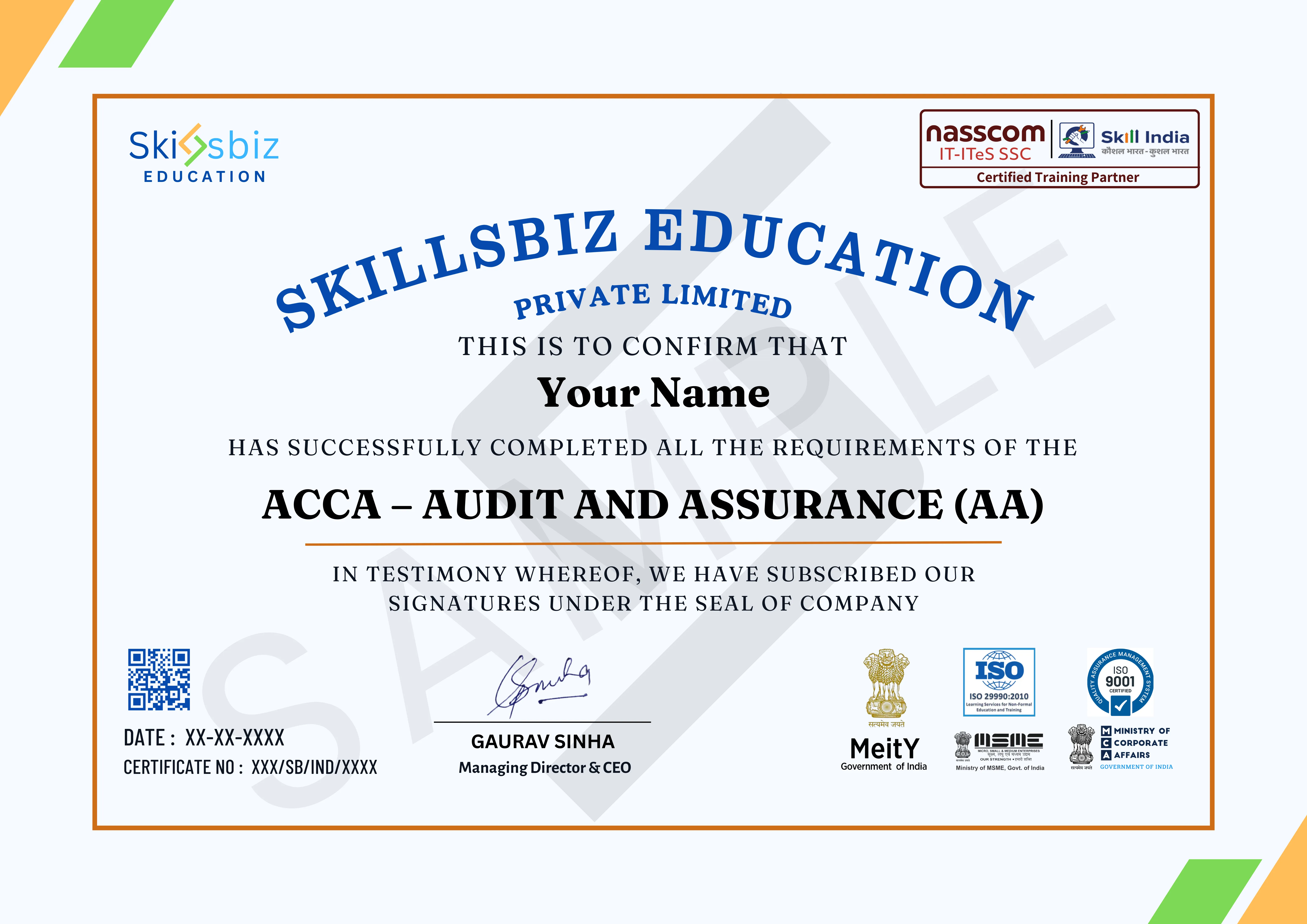
Your credential
The certificate you'll earn
Earn an industry-recognized certificate on successful completion of this program.
Personalised guidance
Book a free discovery call with our specialists
Get tailored advice on learning paths, certification journeys, and industry opportunities before you enroll.
- Understand the skill gaps holding you back and the modules that close them.
- Get a cohort recommendation based on availability and your weekly bandwidth.
- Discover certification add-ons that strengthen your CV.
Reserve your slot
Share your details and we'll connect within 24 hours.
Reviews
What our learners say
Audit and Assurance preparation strengthened my knowledge of compliance and professional ethics. Structured revision helped a lot.
Learning how auditors evaluate financial statements improved my analytical confidence. AA sessions clarified professional standards.
ACCA Audit and Assurance helped me understand audit frameworks clearly. Learning risk assessment techniques improved my approach to case questions.
Learning audit planning and substantive procedures strengthened my conceptual clarity. Practicing case-based questions helped me connect theory with application.
AA preparation improved my ability to analyse audit scenarios logically. Understanding evidence gathering and reporting standards became much clearer.
ACCA Audit and Assurance helped me understand how audit procedures work in real business settings. Learning risk assessment and internal controls made the subject much more practical.
FAQ
Your questions, answered
Everything you need to know before you enroll. Still unsure? Our advisors are one call away.
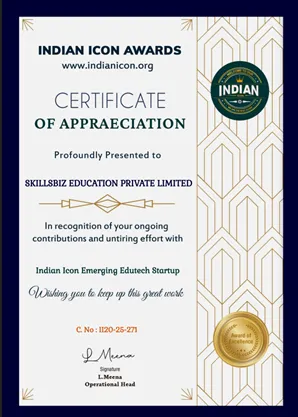
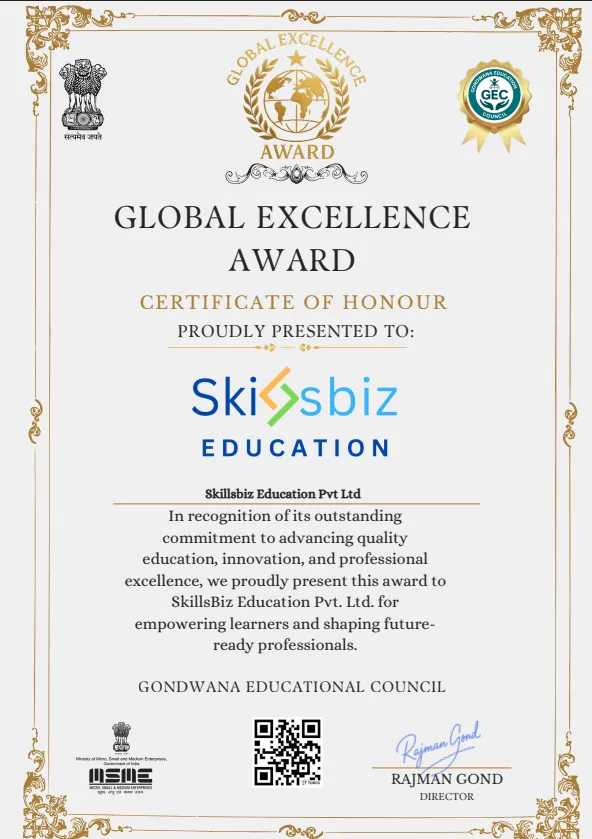
Honored for excellence
Awards & recognitions
Our pedagogy, learner outcomes, and mentor network have been acknowledged by industry councils and global forums.


Media spotlight
Featured in leading publications









Ready to start ACCA– Audit and Assurance (AA)?
Enroll today or book a free counselling call to get a personalized learning path.