ACCA– Strategic Business Leader (SBL)
Master the skills needed to excel in strategic business leadership with our comprehensive ACCA course.
Program rating
1,973+
Learners enrolled
70 hrs
Total duration
English,Hindi
Language
This program includes
Program overview
About this program
This Finance & Taxation program blends live, mentor-led sessions with hands-on projects and real-world case studies, so you build genuinely job-ready skills — not just theory. You'll learn from working industry experts, apply what you learn on practical assignments, and finish with a portfolio, a recognized certificate, and dedicated placement support to help you land the right role.
Master the skills needed to excel in strategic business leadership with our comprehensive ACCA course.
The ACCA Strategic Business Leader (SBL) course is designed to equip aspiring finance professionals with the essential skills and knowledge necessary for strategic business management and leadership. This course provides an in-depth understanding of strategic analysis, corporate governance, and risk management, all tailored to prepare you for the dynamic environment in business.
Why learners love this program
- Strategic analysis and decision-making: practical tools for competitive analysis, strategic planning, option appraisal, and evidence-based decision making.
- Corporate governance and ethical leadership: deep coverage of governance frameworks, professional ethics, stakeholder management, and board-level responsibilities.
- Risk management and integrated business reporting: identification and assessment of risks, design of internal controls, and clear communication of integrated performance and risk information.
35
Lectures
70
Hours
All level
Level
Globally trusted accreditations
Recognitions that power your profile
Trusted by leading accreditation bodies — so your certificate is respected by employers worldwide.









Learning outcomes
What you'll be able to do
Curriculum
Structured modules that build real skills
17 modules · designed for progressive, hands-on learning.
Foundations of Strategic Leadership
Introduce core concepts of strategic leadership and its significance in guiding organisational direction. Explain the responsibilities and mindset required of strategic leaders.
Strategic Thinking and Mindset
Develop skills for strategic thinking and long-term perspective setting. Explore techniques for framing problems and identifying strategic priorities.
Leadership Styles and Competencies
Examine differing leadership styles and the competencies needed for effective strategic leadership. Assess when to apply each style in organisational contexts.
Communication and Influence
Build skills in communicating strategy and influencing stakeholders across the organisation. Learn approaches to gain buy-in and drive collective action.
PESTEL and Macro Analysis
Learn to evaluate macro-environmental forces using PESTEL and related tools. Understand how external factors shape strategic opportunities and threats.
Industry and Competitive Analysis
Apply industry analysis tools, including Porter's Five Forces, to assess competitive dynamics and profitability drivers. Identify sources of competitive advantage.
SWOT and Resource Assessment
Integrate internal and external analysis through SWOT and resource/capability assessment. Prioritise strategic options based on organisational strengths and weaknesses.
Identifying and Prioritising Stakeholders
Map stakeholder groups and assess their influence, interests and expectations. Develop strategies to engage and manage critical stakeholders effectively.
Corporate Purpose and Mission
Clarify organisational purpose, mission and values and link them to strategic objectives. Explore how purpose informs stakeholder relationships and strategic choices.
Board Roles and Responsibilities
Explain the role of the board in corporate governance and strategic oversight. Describe duties, governance structures and accountability mechanisms.
Governance Frameworks and Codes
Review common governance frameworks and codes of practice. Assess their implications for board conduct and organisational governance arrangements.
Accountability and Reporting
Understand requirements for transparent reporting and stakeholder accountability. Explore how reporting supports governance and strategic decision-making.
Ethical Decision-Making Models
Introduce ethical frameworks and decision-making models applicable to business scenarios. Apply these models to resolve common ethical dilemmas.
Professional Conduct and Culture
Discuss the role of professional ethics and organisational culture in supporting good governance. Identify ways to embed ethical behaviour in practice.
Ansoff, BCG and Growth Matrices
Study classical growth and portfolio frameworks to evaluate strategic options. Use these tools to inform decisions on market and product strategies.
Value Chain and Competitive Advantage
Analyze value chain activities to identify sources of cost and differentiation advantage. Link operational choices to overall strategy.
Balanced Scorecard Overview
Explore the balanced scorecard as a strategic performance management tool. Learn to translate strategy into measurable objectives across perspectives.
Vision, Objectives and Strategic Options
Define vision and strategic objectives and generate viable strategic options. Prioritise options using strategic criteria and organisational context.
Corporate and Business-Level Strategy
Differentiate corporate-level and business-level strategies and their implications. Evaluate diversification, mergers and portfolio management choices.
Strategic Planning Tools
Apply planning tools and frameworks to develop coherent strategic plans. Assess scenario planning, forecasting and resource implications.
Organisational Structure and Alignment
Assess how structure and governance must align with strategy. Design organisational arrangements that support strategic goals.
Resource Allocation and Budgeting
Learn approaches to allocate resources and set budgets to support strategic priorities. Link financial planning with strategic implementation.
Change Programmes and Project Management
Understand how to plan and manage large-scale strategic initiatives using programme and project management techniques. Monitor progress and manage risks to delivery.
Risk Identification and Assessment
Introduce methods for identifying and assessing strategic, operational and financial risks. Prioritise risks based on likelihood and impact.
Risk Response Strategies
Explore risk response options including mitigation, transfer and acceptance. Develop practical plans to manage significant risks.
Enterprise Risk Management Frameworks
Study ERM frameworks and their role in integrating risk with strategy. Design an ERM approach suited to organisational context.
Internal Control Systems
Examine internal control principles and how controls support reliable operations and reporting. Assess control design and effectiveness.
Compliance and Assurance
Understand compliance obligations and assurance mechanisms, including internal audit. Evaluate how assurance supports governance and stakeholder confidence.
Change Management Models
Compare common change models such as Kotter and ADKAR and apply them to transformation initiatives. Use models to plan change steps and milestones.
Managing Resistance and Stakeholder Engagement
Develop strategies to manage resistance and engage stakeholders throughout change. Use communication and involvement tactics to build support.
Leadership in Transformation
Explore the leadership behaviours needed to drive and sustain transformation. Build capability to lead people through uncertain change.
Designing KPIs and Measurement Systems
Design relevant KPIs that reflect strategic objectives and create meaningful measurement systems. Ensure KPIs are actionable and aligned with strategy.
Using Data for Performance Improvement
Use performance data to diagnose issues and drive continuous improvement. Learn techniques for reporting and interpreting performance information.
Decision Models and Tools (quantitative)
Apply quantitative decision models such as NPV, cost-benefit and decision trees to strategic choices. Interpret model results within strategic context.
Scenario Planning and Sensitivity Analysis
Use scenario planning and sensitivity analysis to assess strategic options under uncertainty. Evaluate the robustness of strategies to different futures.
Biases, Judgement and Ethical Decisions
Identify cognitive biases that affect strategic judgement and learn techniques to mitigate them. Ensure decisions incorporate ethical considerations and professional standards.
Integrating ESG into Strategy
Understand environmental, social and governance (ESG) factors and how to integrate them into strategic planning. Assess strategic risks and opportunities from sustainability trends.
Sustainable Reporting and Stakeholder Impact
Explore sustainability reporting frameworks and methods to measure stakeholder impact. Learn to communicate sustainability performance credibly.
Digital Transformation and Emerging Tech
Examine the strategic impact of digital transformation and emerging technologies. Develop approaches to harness innovation for competitive advantage.
Data Analytics and Strategic Insight
Use data analytics to generate strategic insights and support evidence-based decision-making. Understand data governance and analytics capabilities required.
Comprehensive Case Analysis
Work through a comprehensive case that integrates course topics to solve strategic business problems. Apply analytical frameworks and governance considerations in context.
Presentation and Stakeholder Recommendations
Prepare and present strategic recommendations with supporting analysis and stakeholder considerations. Practice defending recommendations to different audiences.
Course Review and Exam Preparation
Consolidate key concepts and practice exam-style questions to prepare for assessment. Highlight revision strategies and common pitfalls to avoid.
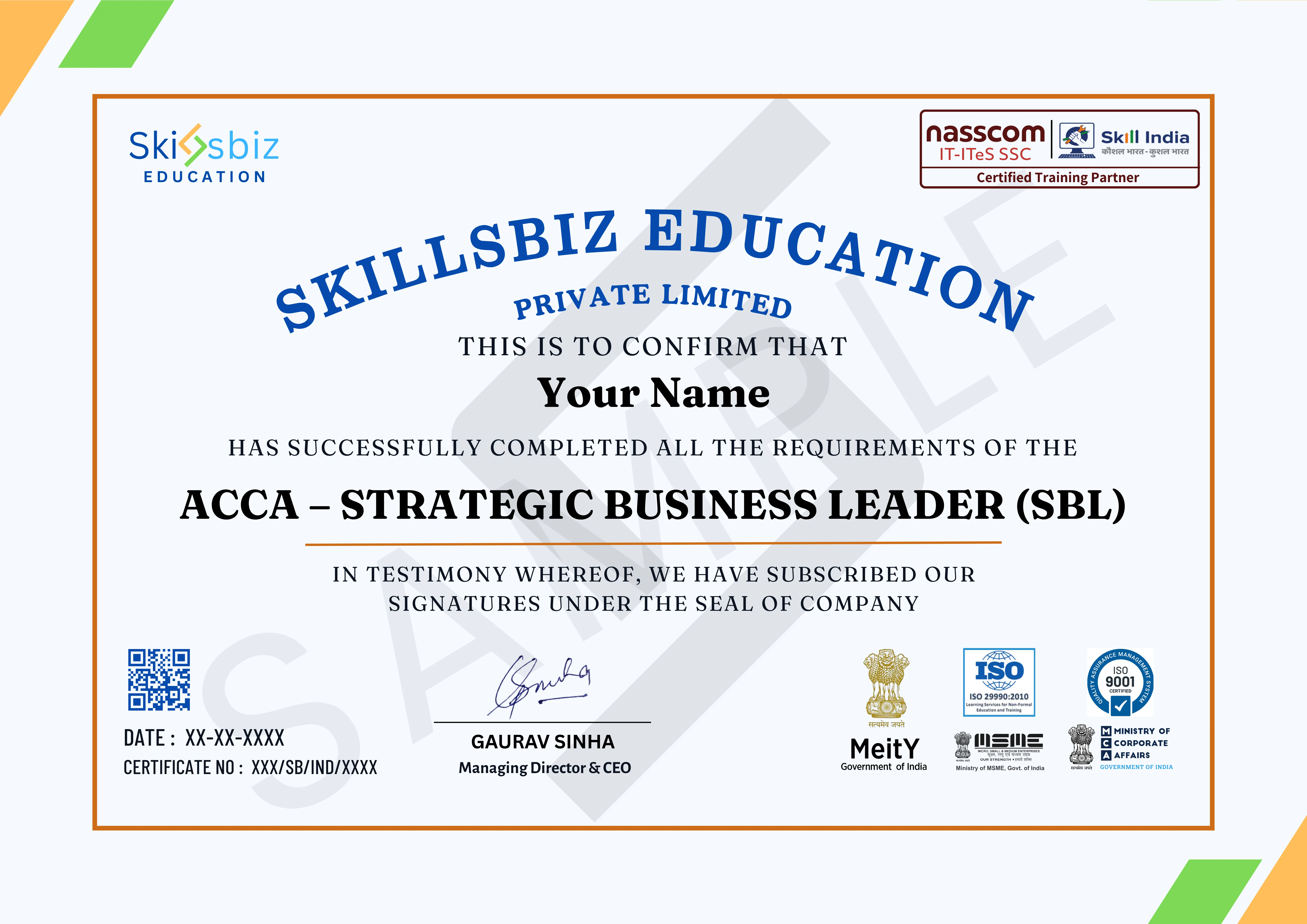
Your credential
The certificate you'll earn
Earn an industry-recognized certificate on successful completion of this program.
Personalised guidance
Book a free discovery call with our specialists
Get tailored advice on learning paths, certification journeys, and industry opportunities before you enroll.
- Understand the skill gaps holding you back and the modules that close them.
- Get a cohort recommendation based on availability and your weekly bandwidth.
- Discover certification add-ons that strengthen your CV.
Reserve your slot
Share your details and we'll connect within 24 hours.
Reviews
What our learners say
SBL preparation helped me structure long answers effectively. Understanding strategy and ethics together gave me a much broader business outlook.
Strategic Business Leader sessions improved my confidence in tackling integrated case studies. Connecting ethics, risk, and strategy felt very practical.
ACCA Strategic Business Leader helped me develop a strong strategic mindset. Learning how to analyse stakeholder expectations improved my case-solving approach.
Strategic Business Leader sessions helped me connect finance, risk, and ethics in real-world situations. The case-based learning approach made everything practical and engaging.
SBL preparation improved my ability to analyse complex business scenarios calmly. Learning how to structure professional responses made a huge difference in my exam confidence.
ACCA Strategic Business Leader completely changed how I approach case studies. Understanding leadership, governance, and risk in one integrated paper helped me think strategically rather than technically.
FAQ
Your questions, answered
Everything you need to know before you enroll. Still unsure? Our advisors are one call away.
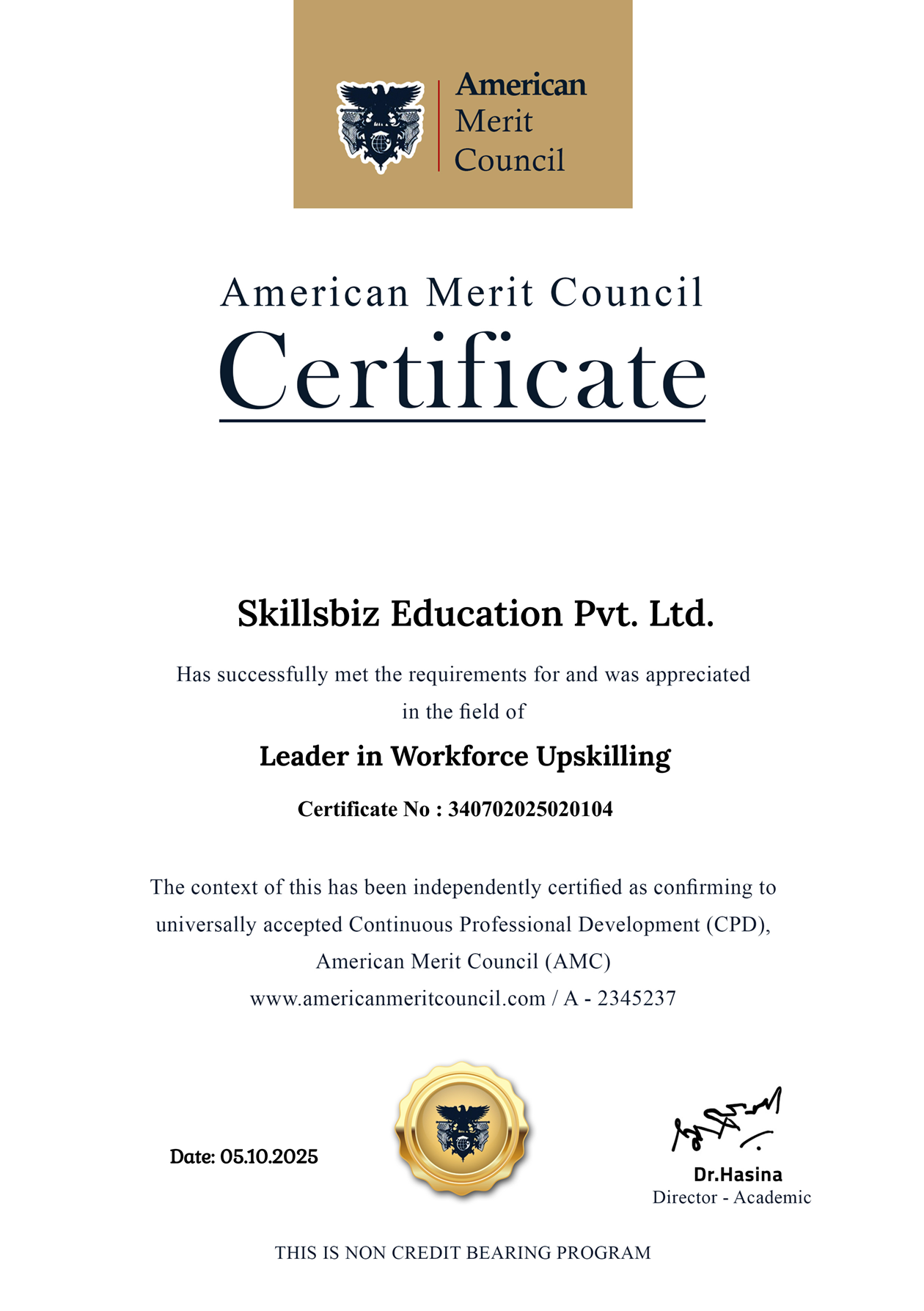
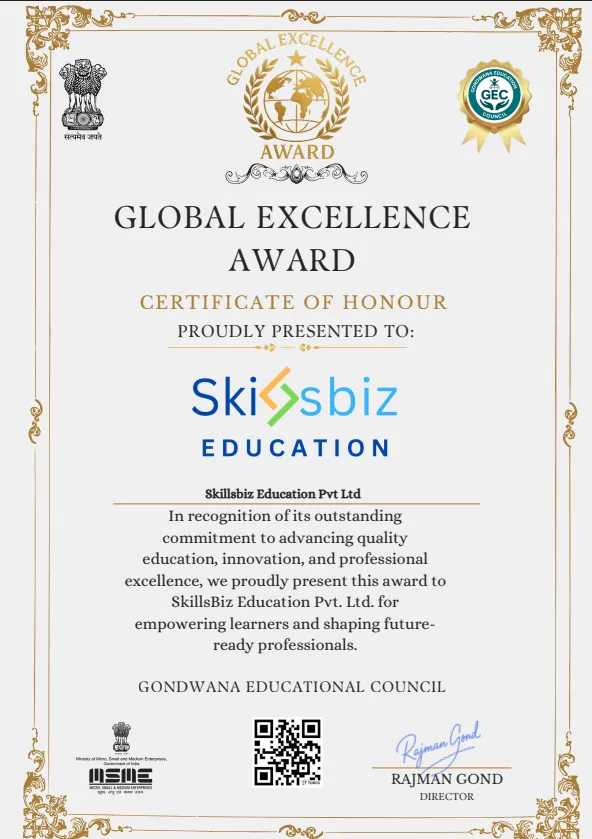
Honored for excellence
Awards & recognitions
Our pedagogy, learner outcomes, and mentor network have been acknowledged by industry councils and global forums.



Media spotlight
Featured in leading publications










Ready to start ACCA– Strategic Business Leader (SBL)?
Enroll today or book a free counselling call to get a personalized learning path.