Post Graduate Program in TEFL
This comprehensive 120-hour online TEFL program is designed for those looking to teach English as a foreign language, providing the necessary skills and knowledge for successful language instruction.
Program rating
1,985+
Learners enrolled
120 hrs
Total duration
English,Hindi
Language
This program includes

Program overview
About this program
This Teaching program blends live, mentor-led sessions with hands-on projects and real-world case studies, so you build genuinely job-ready skills — not just theory. You'll learn from working industry experts, apply what you learn on practical assignments, and finish with a portfolio, a recognized certificate, and dedicated placement support to help you land the right role.
This comprehensive 120-hour online TEFL program is designed for those looking to teach English as a foreign language, providing the necessary skills and knowledge for successful language instruction.
This Post Graduate Program in TEFL is aimed at individuals seeking to enhance their teaching qualifications and dive deep into the methodologies of Teaching English as a Foreign Language. The course covers essential topics including language theory, classroom management, lesson planning, and teaching techniques. Upon completion, participants will be equipped to engage learners effectively and navigate diverse educational environments.
Why learners love this program
- Comprehensive 120-hour curriculum covering language theory, TEFL methodologies, assessment, and pronunciation instruction
- Practical, hands-on training including lesson planning, classroom management, microteaching, and real-world teaching simulations
- Career-focused outcomes: recognized certification, strategies for teaching diverse learners, and support for international TEFL opportunities
60
Lectures
120
Hours
All level
Level
Globally trusted accreditations
Recognitions that power your profile
Trusted by leading accreditation bodies — so your certificate is respected by employers worldwide.









Learning outcomes
What you'll be able to do
Curriculum
Structured modules that build real skills
15 modules · designed for progressive, hands-on learning.
What is TEFL?
Define TEFL and identify key teaching contexts and learner profiles in which TEFL is applied.
Roles and responsibilities of TEFL teachers
Explain the professional responsibilities of TEFL teachers and how they support learner development.
Global impact of English teaching
Describe the sociolinguistic and global significance of English and its implications for teaching practice.
Key terminology and classroom settings
Familiarize with essential TEFL terminology and compare different teaching environments and their demands.
Overview of major methodologies
Summarize major historical and contemporary TEFL methodologies and their classroom applications.
Professional ethics and teacher development
Identify ethical considerations in TEFL and outline pathways for continuous professional growth.
Behaviorist approaches
Explain core principles of behaviorist learning theory and implications for practice in language drills and repetition.
Innatist and nativist perspectives
Describe innatist theories and discuss how they inform expectations about learner competence and error.
Interactionist and social theories
Analyze how social interaction and input shape language learning and how to create interactional tasks.
Cognitive approaches to acquisition
Outline cognitive models of language learning and apply strategies that support processing and retention.
Applying theory to classroom practice
Translate theoretical insights into actionable classroom techniques and justify pedagogical choices.
Establishing routines and classroom rules
Design routines and rules that promote an organized learning environment and consistent behavior.
Behavior management strategies
Apply positive behavior management strategies and interventions suited to diverse classroom situations.
Student engagement and motivation
Implement techniques to increase learner engagement and intrinsic motivation during lessons.
Inclusive practices and differentiation
Adapt classroom management and instruction to meet the needs of diverse learners and learning styles.
Communication and rapport with learners
Develop communication practices that build rapport and a positive learning culture in TEFL contexts.
Defining learning outcomes and objectives
Write clear, measurable lesson objectives aligned to learner needs and proficiency levels.
Designing effective classroom activities
Create a variety of activities that target specific language skills and maintain learner engagement.
Differentiation and scaffolding techniques
Apply scaffolding and differentiation strategies to support learners across ability ranges.
Lesson timing, sequencing, and flow
Plan lesson structure and timing to ensure smooth progression and appropriate pacing.
Reflective planning and lesson adaptation
Use reflection and feedback to revise lesson plans and respond to learner needs dynamically.
Approaches to grammar instruction
Compare inductive and deductive approaches and select appropriate methods for different contexts.
Teaching form, meaning, and use
Design activities that integrate form, meaning, and communicative use of grammatical items.
Error correction and feedback
Implement effective correction techniques that support learner uptake without damaging fluency.
Integrating grammar into skills lessons
Embed grammar teaching into speaking, listening, reading, and writing activities for contextual learning.
Selecting and sequencing vocabulary
Choose and sequence vocabulary based on frequency, usefulness, and learner needs.
Techniques for vocabulary retention
Apply spaced repetition, recycling, and mnemonic strategies to improve long-term retention.
Explicit vs implicit vocabulary instruction
Balance explicit teaching and incidental learning strategies to maximize vocabulary acquisition.
Teaching academic and topic-specific vocabulary
Develop approaches for teaching academic terminology and vocabulary tied to specific topics or fields.
Overview of digital tools and platforms
Identify digital tools that support language teaching and evaluate their pedagogical fit.
Designing multimedia and interactive lessons
Create multimedia-rich activities that enhance input, practice, and learner engagement.
Blended and fully online teaching practices
Apply best practices for managing blended and online classes, including student interaction and pacing.
Assessing and managing digital learning
Use digital assessment tools and data to monitor progress and inform instruction.
Formative assessment techniques
Design and implement formative assessments to guide teaching and provide timely feedback.
Designing summative assessments
Construct valid and reliable summative assessments aligned with learning objectives.
Feedback strategies and reporting
Provide constructive feedback and create clear reporting mechanisms for learner progress.
Using assessment data to inform instruction
Analyze assessment outcomes to adapt lesson planning and target areas for improvement.
Cultural influences on language learning
Recognize how cultural backgrounds affect learning styles and classroom interaction.
Teaching culturally sensitive topics
Develop strategies to handle sensitive cultural issues respectfully and pedagogically.
Promoting intercultural competence
Design activities that build learners' intercultural awareness and communicative competence.
Adapting materials for cultural relevance
Modify materials to be culturally appropriate while maintaining linguistic objectives.
TEFL job market overview
Survey global TEFL employment contexts and identify common employer expectations.
CVs, applications and interviews
Prepare professional application materials and practice interview techniques tailored to TEFL roles.
Working abroad: visas and contracts
Understand typical contract terms and visa considerations when seeking overseas TEFL positions.
Continuing professional development and networking
Plan ongoing PD and build professional networks to advance a TEFL career.
Listening comprehension strategies
Implement pre-listening, while-listening, and post-listening tasks that improve comprehension.
Promoting speaking fluency and accuracy
Design activities that balance fluency practice with opportunities for accurate language use.
Pronunciation and phonology focus
Teach pronunciation features and phonological awareness to support intelligibility.
Teaching reading for comprehension
Use strategies to develop skimming, scanning, and deep reading skills across texts.
Teaching writing: process and genres
Guide learners through the writing process and genre-specific conventions for different tasks.
Integrating reading and writing tasks
Design integrated tasks that use reading to support writing development and vice versa.
Selecting and adapting materials
Evaluate and adapt materials to meet linguistic aims and the needs of specific learner groups.
Using authentic materials and coursebooks
Incorporate authentic resources effectively alongside coursebook materials to enhance realism.
Creating low-resource and DIY activities
Develop practical, low-cost activities and materials suitable for resource-limited settings.
Microteaching: planning and delivery
Plan and deliver focused micro-lessons that demonstrate key teaching techniques and lesson structure.
Observation, feedback and reflective practice
Use peer and mentor feedback and self-reflection to refine teaching practice and professional judgment.
Teaching young learners and teens
Design age-appropriate lessons and classroom management approaches for children and adolescents.
Adult learners and workplace English
Address the needs of adult learners and design workplace-relevant language training.
Learners with special educational needs
Implement inclusive strategies and accommodations to support learners with diverse needs.
Managing multilevel classes
Apply techniques to differentiate instruction and ensure meaningful participation in multilevel groups.
Your credential
The certificate you'll earn
Earn an industry-recognized certificate on successful completion of this program.

Personalised guidance
Book a free discovery call with our specialists
Get tailored advice on learning paths, certification journeys, and industry opportunities before you enroll.
- Understand the skill gaps holding you back and the modules that close them.
- Get a cohort recommendation based on availability and your weekly bandwidth.
- Discover certification add-ons that strengthen your CV.
Reserve your slot
Share your details and we'll connect within 24 hours.
Reviews
What our learners say
Enrolling in the PG in TEFL was the best decision for my career growth. The training sessions were comprehensive, covering modern teaching tools and approaches. After finishing, I started working as a corporate communication trainer.
The PG in TEFL refined my teaching style and classroom confidence. The trainer’s focus on practical demonstrations made every session engaging. After completing it, I got certified and began teaching business English to professionals.
The PG in TEFL helped me develop both teaching and communication expertise. The trainer provided step-by-step guidance on managing multicultural classrooms. After completing it, I successfully transitioned into an international ESL teaching...
Joining the PG in TEFL gave me a strong foundation in ESL teaching. The trainer’s focus on communication and student engagement helped me design interactive lessons. After completing it, I was offered a trainer role at an English language a...
The PG in TEFL helped me build the confidence to teach English to learners from different cultural backgrounds. The sessions on phonetics, grammar, and classroom interaction were extremely practical. After completion, I started teaching Eng...
Completing the PG in TEFL opened up global teaching opportunities for me. The trainer explained language acquisition, lesson planning, and modern ESL methodologies in great depth. After finishing the program, I secured a teaching position a...
FAQ
Your questions, answered
Everything you need to know before you enroll. Still unsure? Our advisors are one call away.
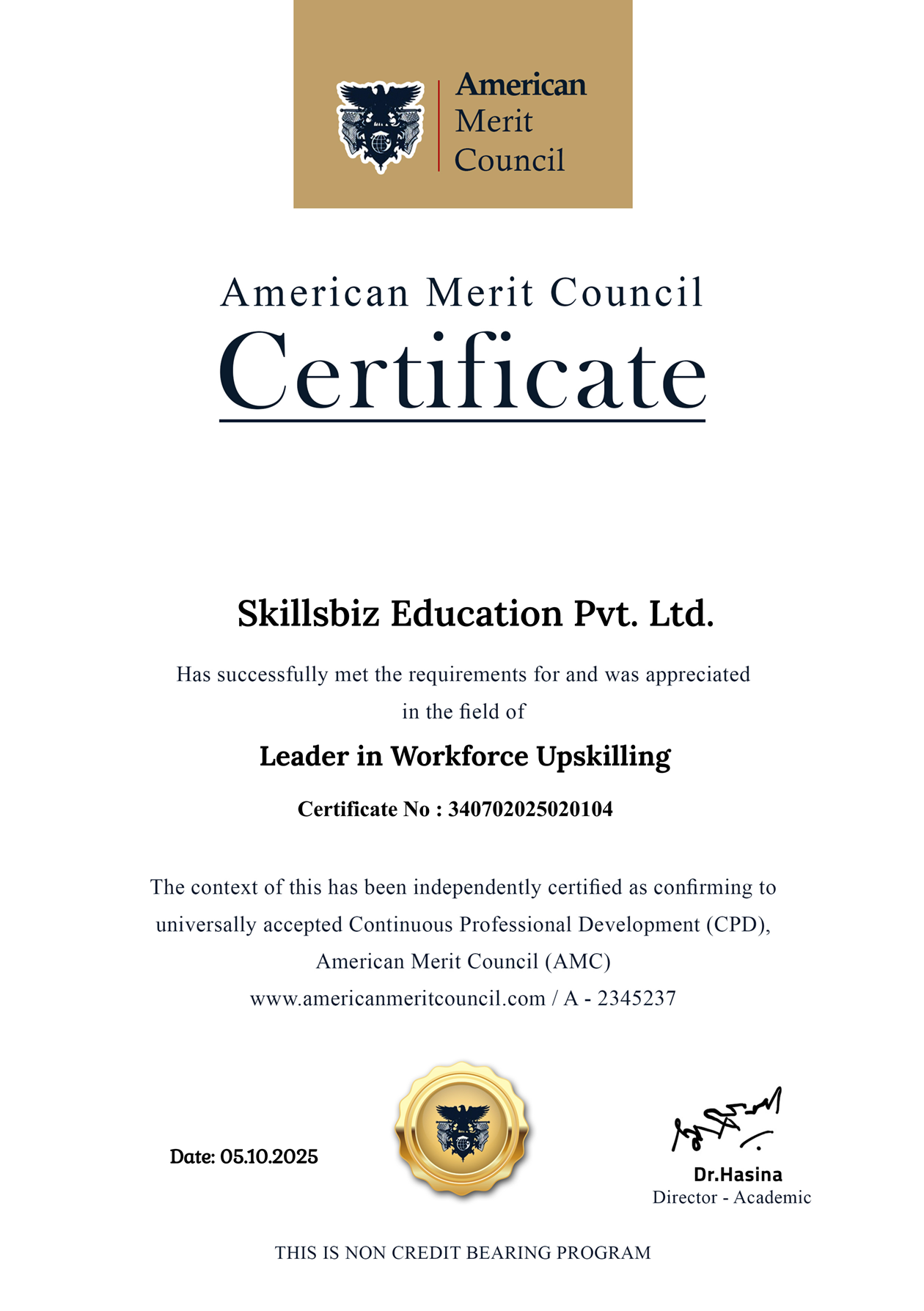
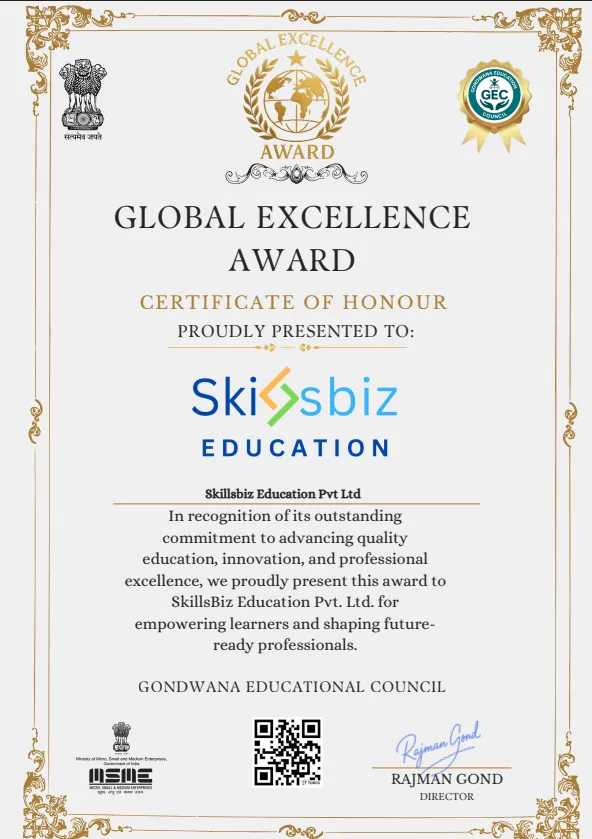
Honored for excellence
Awards & recognitions
Our pedagogy, learner outcomes, and mentor network have been acknowledged by industry councils and global forums.



Media spotlight
Featured in leading publications










Ready to start Post Graduate Program in TEFL?
Enroll today or book a free counselling call to get a personalized learning path.